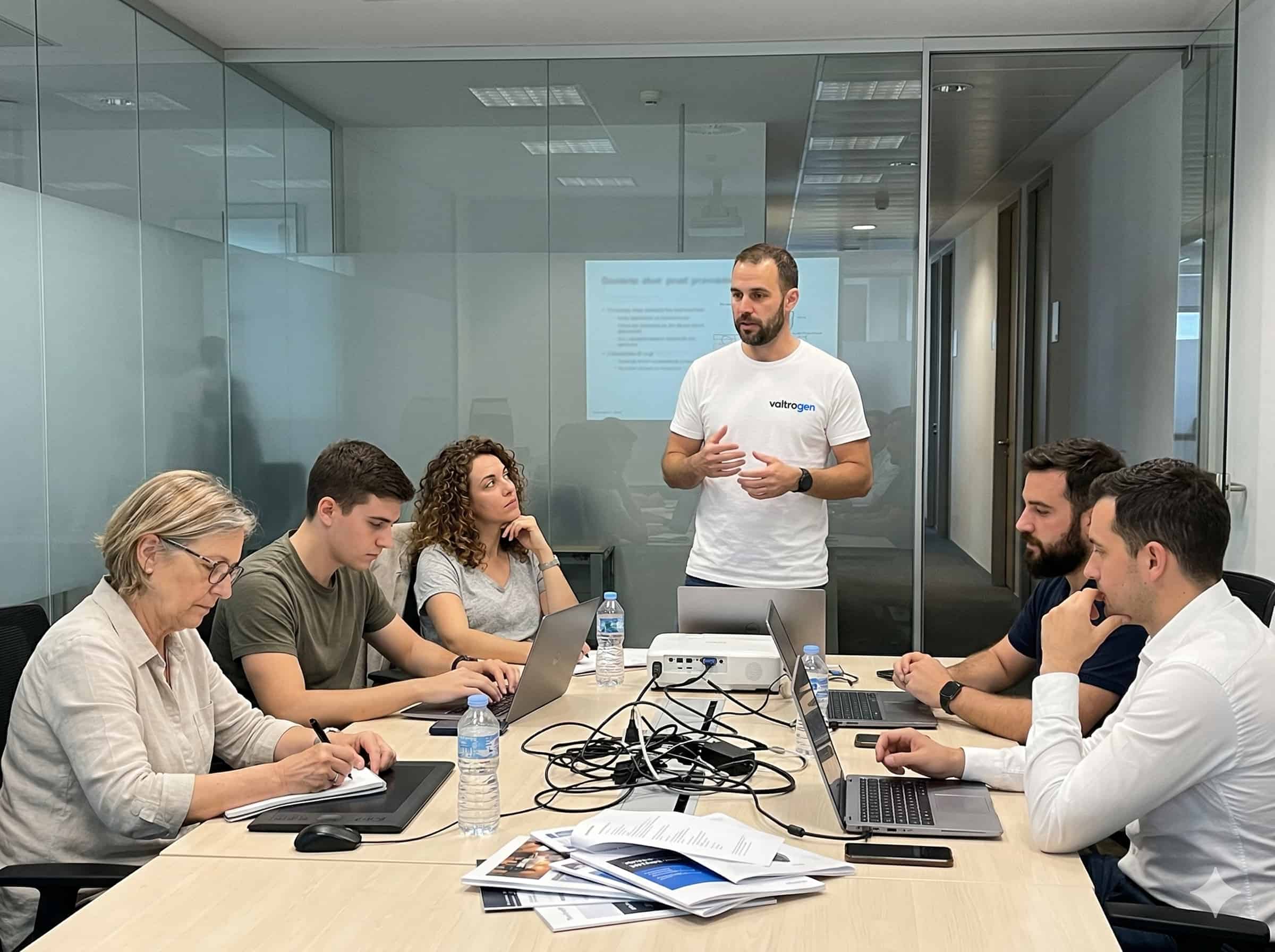
Free network consultation for teams that need clear answers.
You show us how your business works today: how staff connect, which internal systems matter, where traffic exits, and what already feels hard to control. We look for potential exposure, leakage risk, unstable paths, or access mistakes, then explain what should change and where our service fits.
Free
No cost, no obligation
30 min
Initial technical call
48h
Written network notes
Any
Professional, team, or company
What this is
Not a generic security audit. A practical conversation about where your current setup may already be risky.
Most teams do not need a 60-page report. They need someone to understand the business first, then look at the current encrypted access design and say: this internal tool is too exposed, this route is unstable, this egress setup is hard to manage, this workflow could lead to unnecessary leakage risk, this team should not be reaching the resource this way. That is the kind of review we provide.
The goal is simple: understand how you actually work, identify the problems that may already exist, and tell you what should be tightened or redesigned.
30 min
Initial technical call
48h
Written network notes
Remote staff connecting through home broadband, coworking Wi-Fi, or mobile networks
Internal tools that should stay reachable for the team without becoming openly exposed
Cross-region traffic that technically works, but is slow, unstable, or difficult to troubleshoot
API allowlists, fixed outbound IPs, or office access paths that are becoming hard to maintain
What we review in practice
We start with your real operating context: who needs access, which systems matter, which routes are shared, and where business pressure has already created shortcuts. Then we trace the actual path your people and systems use. That usually reveals more than a checklist ever will.
Routing and path quality
Whether the current route is direct enough, whether loss or jitter is affecting real work, and whether staff are compensating for path issues in unsafe ways.
Exit points and fixed IP use
Where traffic leaves your network, whether allowlists are maintainable, and whether shared or misaligned exits are creating security or operational risk.
Encrypted transport
Which access paths are protected, which are relying on assumptions, and where weak boundaries could lead to unnecessary exposure or leakage risk.
Employee and contractor access
How full-time staff, external contributors, and managed devices reach internal resources, and whether access is broader or looser than the business actually requires.
Operations and recovery
How the team notices route issues, who can change the path, and what happens when one region, managed exit, or office connection stops behaving.
When organizations typically bring us in
01
A remote operating model is becoming permanent
Remote access is no longer temporary, but the company still relies on habits that grew out of convenience. Leadership wants to know where that creates risk before it turns into an incident.
02
External systems now depend on predictable network identity
Partners, vendors, and business systems depend on allowlists, fixed exits, or known source ranges. The company needs a cleaner approach that is secure enough for growth and easier to explain internally.
03
Internal tooling has become operationally important
Dashboards, admin systems, code infrastructure, and data tools now carry real business risk. The organization wants to know which ones are too exposed, too open, or too loosely handled.
04
The company is entering a new coordination stage
Contractors, another office, or a more distributed team structure are being added. What worked for a smaller group now creates too many unclear paths, unclear ownership, and too much trust by default.
What you get from the consultation
01
A clear view of likely problems
An engineer reviews your current setup and tells you where there may already be exposure, leakage risk, unstable routing, or access that is too broad for the business need.
02
A short written summary
You receive a concise follow-up note listing what we understood about your business, what seems risky, and what should be fixed first.
03
Why our service may be the right fit
If your current setup is already sufficient, we will say so. If not, we will explain in concrete terms where our service can give you a cleaner access path, tighter control, more stable egress, or better protection for internal systems.
What we usually point out
Too many paths for the same traffic
Traffic is leaving from different places depending on who connects, creating inconsistent behavior and unclear troubleshooting.
Internal tools exposed more than expected
Something intended for team-only use is accessible through a path that is broader, less controlled, or more exposed than the business expects.
A design that now creates unnecessary risk
The network model may have been acceptable when the company was smaller, but now it creates more room for mistakes, unclear ownership, and preventable exposure.
Internal discussion
An English discussion session with our internal experts.
We meet with your team to review how internal resources are accessed today, where confusion exists, and where current habits may be creating avoidable exposure or leakage risk.
English
Zoom / Meet
60 minutes
Usually run in English over Zoom, Google Meet, or your preferred meeting platform.
Can be scheduled on its own or after an initial consultation.
Schedule the discussionWhat people have said
valtrogen pointed out in the first conversation that our office exit and remote access path were fighting each other. They explained the problem clearly and suggested a much simpler setup than what we had been planning.
We were not even sure we needed to change anything. They reviewed our network path, told us what was okay, what was not, and gave us a very reasonable option for the parts that actually needed fixing.
The discussion helped our staff understand when to use the company access path, when to avoid untrusted networks, and why some tools had to stay behind a controlled access path. It was practical and easy to apply.
We work with different operating models
The review changes depending on how you work and what kind of path control you need.
Professional user One person, multiple networks | Small team Shared access across people and tools | Company Structured network and operational ownership | |
|---|---|---|---|
| We work with different operating models | Home / mobile / public Wi-Fi access path review Device to service route sanity check Fixed outbound IP or regional path advice Basic encrypted transport review | Remote team access path review Internal tool access model Contractor and external contributor paths Office and remote exit consistency Team operations guidance | Network architecture review Regional path and exit strategy Dedicated or segmented access design Traffic flow and recovery review Team access governance Management summary with practical next steps |
Who you will talk to
Engineers who understand routes, exits, and operational trade-offs
You will speak with someone who has actually worked on network delivery, access control, and route behavior in real environments. We listen to how your business operates first, then explain where risk may already exist and why a different access model or service setup may make more sense.
Practical
Focused on workable path design, not theory
Direct
We tell you which parts are fine and which parts are not
Confidential
What you share stays private
Useful
The advice is still valuable even if you do nothing else with us
Want us to look at your current network path?
Book a 30-minute call. Show us how your team works, how people connect, what needs protecting, and which parts already feel hard to control. We will identify likely problems, explain the risk behind them, and tell you where our service may help.
No obligation. No production access required. If your current setup is already appropriate, we will say that clearly. If not, we will explain why.